Weather · Sydney
Dulwich Hill Weather Forecast
Current conditions, hourly outlook and the seven-day forecast for Dulwich Hill (Inner West), Sydney, at the suburb's own location rather than the city centre.
Dulwich Hill weather right now
- Today
- Partly cloudy, 29°C now. High 30° / low 14°, dry.
- Tomorrow
- Rain showers, 25° / 17°, 71% rain chance.
- This weekend
- Sat 21° 87% rain, Sun 24°
Weather in your inbox
Get Sydney weather in your inbox every morning
Today’s briefing
Partly cloudy and dry. High 30°C, low 14°C.
Automated summary based on live conditions29°
- 30° / 14°
- 22%
- 6 km/h N
- 7.1 · High
- 05:33
- 17:57
Open-Meteo point forecast for this suburb · Updated 11:45 am local time
Hourly forecast
Next 24 hours
- 29°
- 30°
- 30°
- 29°
- 27°
- 26°
- 25°
- 23°
- 22°
- 21°
- 21°
- 21°
- 20°
- 19°
- 18°
- 18°
- 17°
- 17°
- 17°
- 19°
- 20°
- 23°
- 25°
- 25°
Map
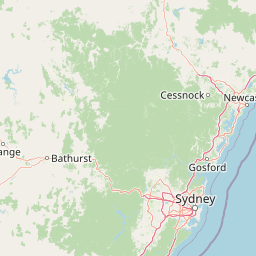
Sydney weather map
Daily outlook
Seven-day forecast
- Overcast 30°14° 0% rain
- Rain showers 25°17° 71% rain
- Thunderstorm 21°17° 87% rain
- Overcast 24°14° 17% rain
- Light drizzle 21°15° 23% rain
- Light drizzle 26°16° 20% rain
- Heavy drizzle 16°13° 33% rain
Health and comfort
Air quality, pollen and comfort
Data quality
How this forecast is built
Current conditions and the seven-day forecast come from Open-Meteo, requested at Dulwich Hill's own coordinates rather than the Sydney city centre. Times are shown in Australia/Sydney and temperatures use °C.
Weather questions
Plan your day in Dulwich Hill
What is the weather in Dulwich Hill today?
Partly cloudy and 29°. The forecast high is 30° and the low is 14°.
Will it rain in Dulwich Hill today?
The highest rain chance shown for today is 0%, with 0 mm shown for current conditions.
What is the UV index in Dulwich Hill?
The current UV index is 7.1, with a forecast maximum of 7. The level is High.
What time are sunrise and sunset in Dulwich Hill?
Sunrise is at 05:33 and sunset is at 17:57, local time.
Where does the Dulwich Hill forecast come from?
Conditions and forecasts come from Open-Meteo, requested at Dulwich Hill's own coordinates rather than the Sydney city centre. Available air quality and pollen readings use CAMS data.
Plan your day
Go beyond the forecast
Pair the forecast with today's local news and things to do in Sydney.