Technology
Smart Sensors Transform Sydney CBD: Tracking Movement, Optimizing Water
From pedestrian counting to smart irrigation, the City of Sydney's technology push is changing how locals move, work, and breathe in the urban core.
Listen in English · 4 min
How we reported this
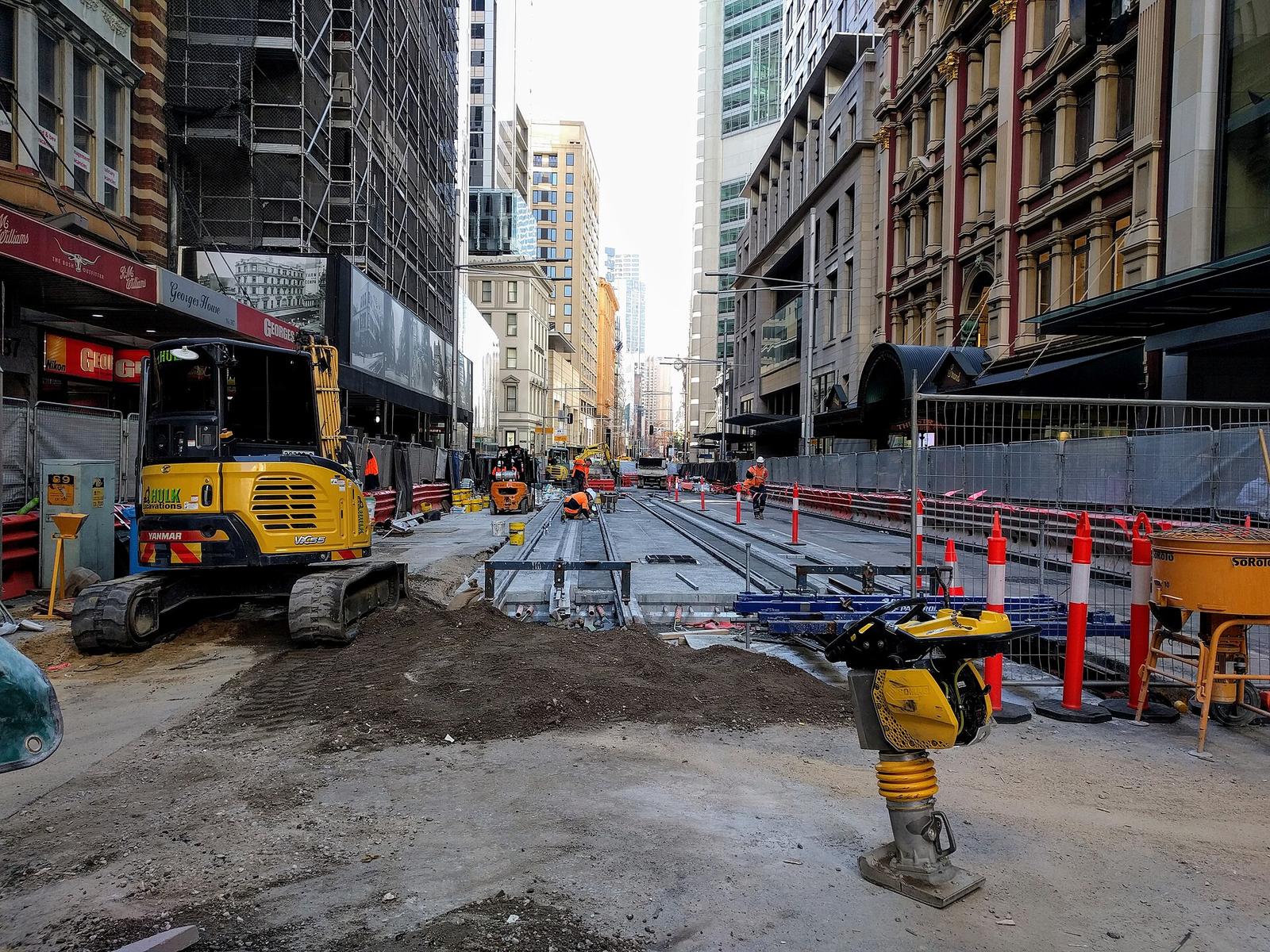
If you've noticed fewer traffic jams around George Street or that parks seem greener after a dry spell, it's not by accident. The City of Sydney has been quietly deploying a network of smart-city technologies that are reshaping how the CBD functions for the people who live, work and commute through it every day.
The council's Smart City Strategic Framework, built on four pillars, connected communities, global competitiveness, environmental resilience, and vibrant liveable places, is already changing the everyday experience of the city. According to the City of Sydney, the strategy uses open data and smart technology to optimise street space and active transport, meaning decisions about footpath widening, bike lanes and public seating are increasingly backed by live data rather than guesswork.
Pedestrian Sensors and a Digital Twin
One of the most visible changes is the installation of smart pedestrian counting sensors across the CBD. These sensors track foot traffic in real time, helping the city manage crowd flow during major events and prioritise maintenance of busy walkways. The data feeds into a broader project: the digital twin of the city, which has commenced development to monitor and predict conditions ranging from pedestrian congestion to stormwater overflow. The same platform is linked to the NSW Spatial Digital Twin, a state-level initiative that allows planners to model everything from shade coverage to emergency evacuation routes before they lift a shovel.
Smart lighting and public Wi-Fi are already live in key precincts, making areas such as Darling Harbour and Circular Quay feel safer and more connected after dark. The city has also rolled out smart stormwater management systems, using sensors to detect flooding risks in real time, a growing concern as heavy rainfall events become more frequent.
Renewable Energy Powers the Grid
The technology is only part of the story. The City of Sydney now runs entirely on renewable energy. That achievement is backed by 125,159 rooftop solar panels across the local government area, generating 952 megawatts of clean power. The Sapphire Wind Farm, located in northern New South Wales, offsets approximately 700,000 tons of carbon dioxide every year on the city's behalf. For residents, this means the lights, traffic signals and air-conditioning in council buildings are all powered without burning fossil fuels, a shift that also keeps electricity costs more stable.
Parks and green spaces are also getting a digital upgrade. The SIMPaCT program, Smart Irrigation Management for Parks, uses soil-moisture sensors and weather data to water trees and plants only when they actually need it. That saves water and keeps the city's canopy healthier, which is critical as Sydney pushes to expand its urban tree coverage by 50 percent by 2030. The goal is to combat the urban heat island effect, where dense concrete and asphalt trap heat and make summer nights unbearable.
What Comes Next
The city has committed to reaching carbon neutrality by 2050, a target that will require continued investment in climate-resilience infrastructure such as flood mitigation and energy-efficient buildings. For people who live in the CBD or travel through it daily, the practical payoff is already tangible: better-lit streets, fewer flooded intersections, greener parks, and a transport network that adapts to real-time demand rather than static timetables.
Whether you're a cyclist on the Bourke Street cycleway or a worker grabbing lunch in Hyde Park, the sensors, digital models and renewable power plants are quietly making the city easier to navigate and more comfortable to inhabit. The next time the crossing lights change smoothly or a garden bed looks particularly lush, you'll know who, or what, to thank.
References Sourced but Not Limited to:
- cityofsydney.nsw.gov.au · Smart city strategic framework
- sydney.org.au · Committee for Sydney Arup Future of Sydney CBD Final Results January...
- meetings.cityofsydney.nsw.gov.au · Smart City Strategic Framework Final for Adoption
- nsw.gov.au · Smart central river city
- informaconnect.com · Bradfield city centre spearheading smart sustainable cities in sydney
- sydney.org.au · Uploads
- nsw.gov.au · Digital western parkland city
- transport.nsw.gov.au · Smart places
- minnovation.com.au · Is sydney a smart city a comprehensive review