news
One-Way Streets and Turn Bans Reshape Sydney CBD Driving Patterns
The central area's layout and restrictions have steered most locals and visitors away from driving for routine trips inside the core.
How we reported this
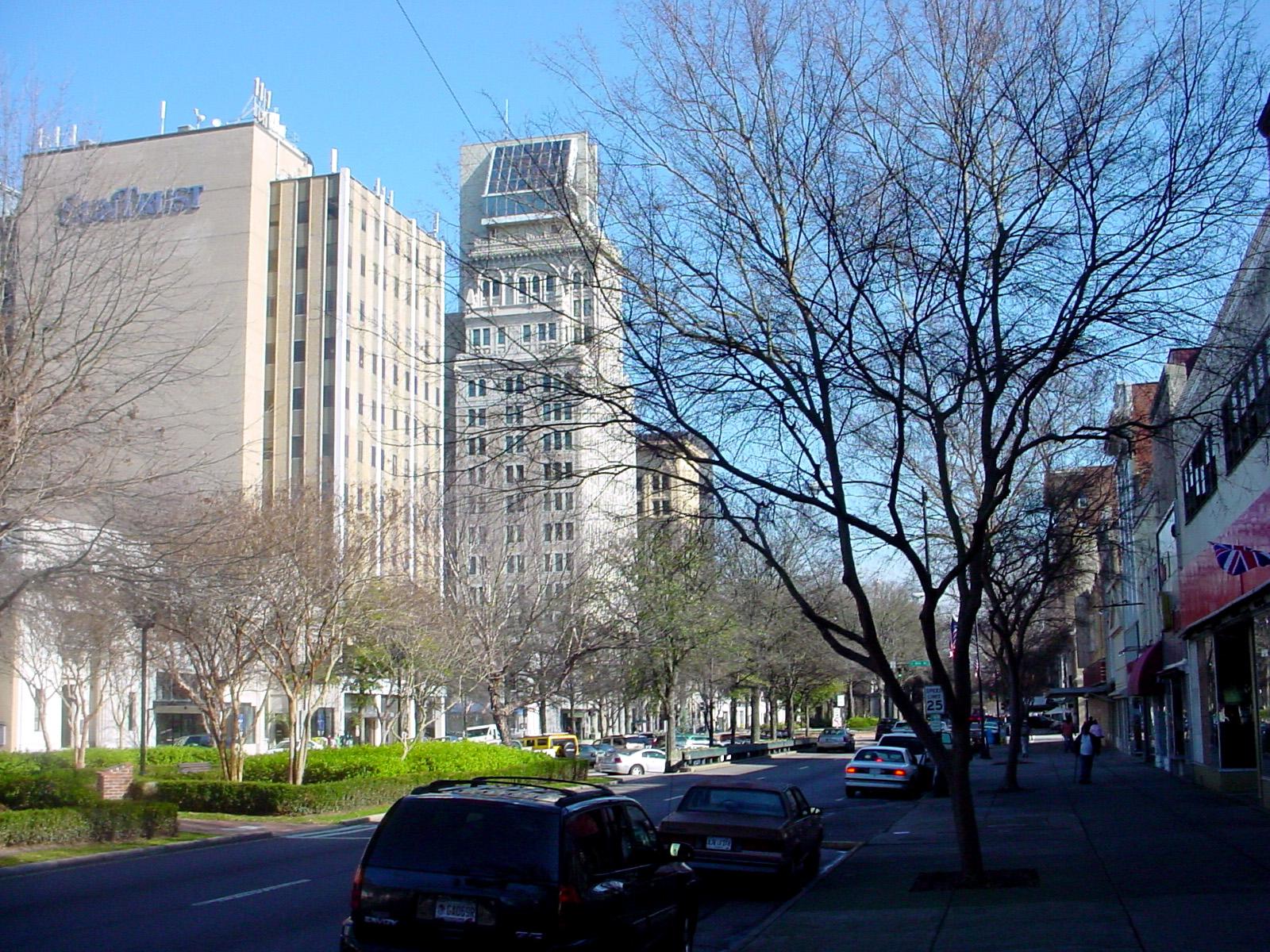
Sydney CBD streets present ongoing challenges for drivers through a combination of one-way systems and daytime turn restrictions that developed alongside the city's growth.
These conditions matter now because 2026 visitors and residents continue to weigh car use against the convenience of existing public transport links that reach all major central destinations without the added costs and delays of navigating the grid.
Streets such as George Street operate with partial two-way sections while Elizabeth Street, Pitt Street and Castlereagh Street feature varying direction rules that can trap unfamiliar drivers in loops during morning and afternoon peaks.
Parking costs and traffic peaks drive shift to alternatives
Commercial car parks in the CBD charge between AUD 15 and AUD 25 per hour, pushing a full day above AUD 60 to AUD 80, while the Harbour Bridge, Eastern Distributor and Western Distributor regularly slow between 7am and 9am and again from 4pm to 6:30pm.
Research from the sydney-spirit.com guide shows speed limits sit at 50 km/h on urban streets unless signed otherwise, with cameras monitoring compliance and fines starting at AUD 117 for small excesses.
Toll system and rental options add layers for those who still drive
All tolls now run electronically only, with major routes such as the Sydney Harbour Bridge and Tunnel at AUD 4.20 northbound and others including the Cross City Tunnel at AUD 6 and the M5 South Western Motorway between AUD 5 and AUD 9.
Rental firms at Sydney Airport terminals supply E-Tag solutions at daily fees of roughly AUD 5 to AUD 10, though drivers must confirm active accounts in advance to avoid later administrative charges.
Many now choose the Opal card network for central movement, leaving cars for day trips beyond the core where flexibility outweighs the restrictions that shaped today's CBD traffic patterns.